Sound Check (one of many)!
Testing, Learning, Adjusting ...and Testing Again

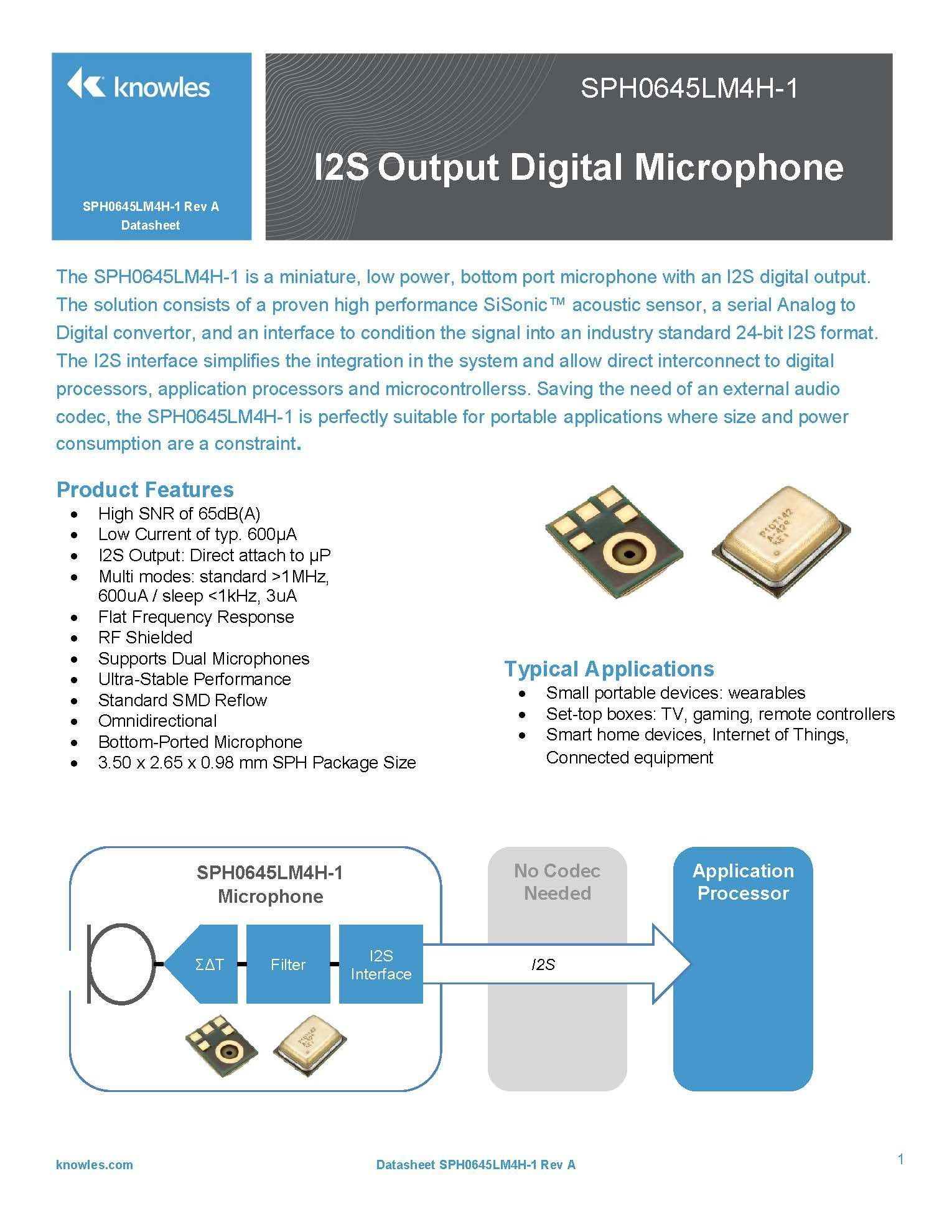
Our first microphone tests started simply: place the microphones side-by-side, generate controlled sounds, and compare the recordings.
It didn't work.
Mounting the microphones together on a hardwood surface introduced variables we hadn't adequately considered. It was a useful reminder that acoustic testing requires more than simply generating a sound and recording it.
So we changed the approach.
The next tests moved the microphones into an empty Langstroth hive, placing them at different locations—from the bottom board and side wall to the top center. We then introduced controlled sounds as well as external sounds, including bird calls and human conversation, to see how microphone location affected what was captured inside the hive.
The goal wasn't yet to reproduce a living colony. It was to understand the acoustic environment of the hive itself and improve our testing methods before adding thousands of very noisy research participants.
Sometimes a failed experiment tells us exactly what to test next.